
The Project
Kaos Ederra is the home of Senef’s narrative concept albums: stories told through progressive rock, symphonic textures and cinematic composition.
Each album is conceived as a complete world in which music, lyrics, characters and visual elements work together to explore human experiences through fiction.
The project was born from a series of recurring dreams and from the desire to transform difficult subjects —isolation, anxiety, loss, inequality and the search for meaning— into stories that ultimately leave room for connection, resilience and hope.
The Origin
The first ideas that would eventually become El Camino de Regreso appeared gradually.
Senef began writing songs inspired by different forms of emotional and social pressure, while developing the music alongside Marco Madrigal. Luna Alva and David Magaña later contributed to parts of the lyrics.
The individual pieces shared an emotional direction, but they still lacked the event that could connect them as a single story.
That connection arrived through one final dream.
The Dream
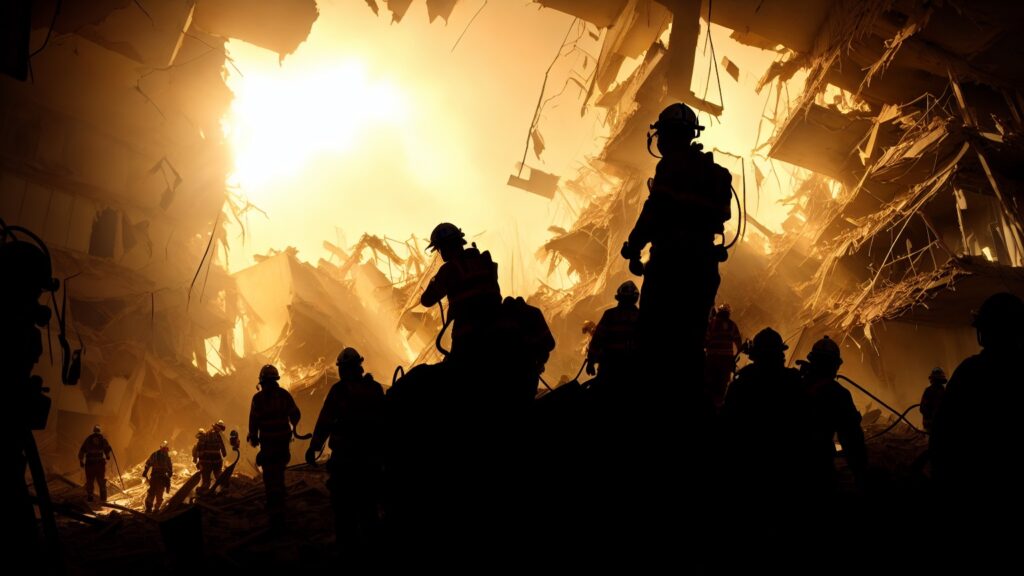
In the dream, Senef was walking across a bridge while watching a large building under construction. Suddenly, the ground began to shake. The building collapsed, forcing him to run from the falling debris.
When the movement stopped, everything became silent. A dense cloud of dust covered the surroundings.
Then a voice seemed to emerge from every direction:
The road back is silent.
The road back is dark.
The road back is sad.
The road back is painful.
The road back is lonely.
The road back is inevitable.
As he walked into the dust, countless figures began moving toward him. They were wounded and battered, yet completely silent. None acknowledged his presence as he continued against the endless tide.
He eventually understood that they were the souls of those who had died—and that The Road Back was their passage into the afterlife.
When Senef awoke, the phrase and imagery remained with him. The missing thread had finally appeared.
From Dream to Story
The dream evoked a painful real-world memory: the earthquake that struck Mexico City on September 19, 2017.
That event had also led Senef and Marco to meet. Alongside the devastation, it revealed extraordinary acts of solidarity—people helping strangers, organizing together and rebuilding what had been lost.
The contrast between individual isolation and collective resilience became the foundation of El Camino de Regreso.
The earthquake was not conceived as a simple solution to emotional suffering. It became the rupture that forces the album’s protagonist out of complete isolation and places her in direct contact with loss, vulnerability and human connection.
El Camino de Regreso
Across eleven interconnected tracks, the album follows a young woman struggling with anxiety, depression, social expectations, misinformation and a growing sense of powerlessness.
Eventually, she reaches the edge of a final decision.
Before she can take that step, the earth begins to shake.
The disaster does not erase her suffering or reveal that it was insignificant. Instead, the days and months that follow change her relationship with the world around her. Through grief, collaboration and the difficult work of reconstruction, she begins to recognize that pain does not have to be endured entirely alone.
Her road back is neither immediate nor easy. It is the beginning of a decision to reconnect, to continue and to approach life from a different perspective.
The creative team was completed with the arrival of Samantha Yazareth and Lobo Elías, helping bring the album and its characters fully to life.
Beyond the First Album
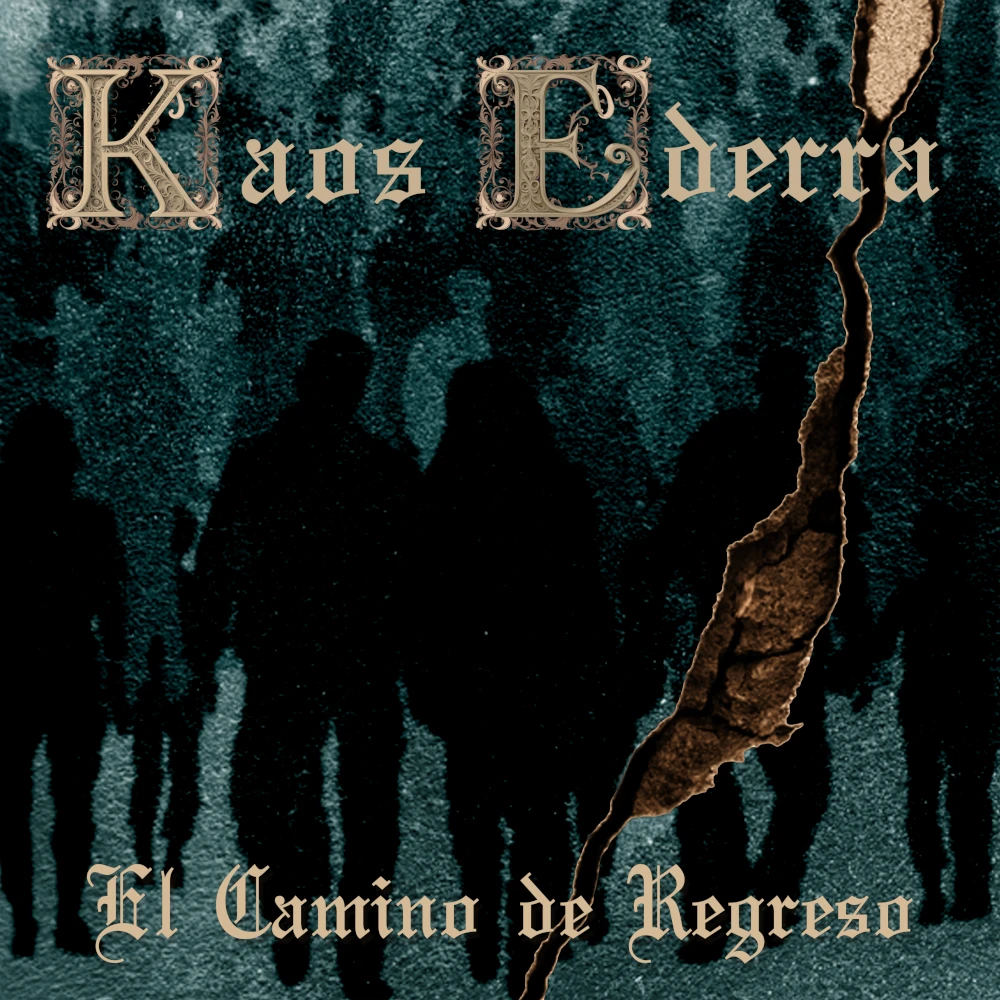
El Camino de Regreso is the first story within the world of Kaos Ederra, but it was never intended to be the last.
New concept albums are already taking shape, each with its own narrative, musical identity and emotional questions. Although their stories will be independent, they will share the same purpose: to confront difficult realities without surrendering the possibility of empathy, freedom, dignity and hope.
Kaos Ederra will continue to evolve as a space where music does more than accompany a story.
The music is the story.